
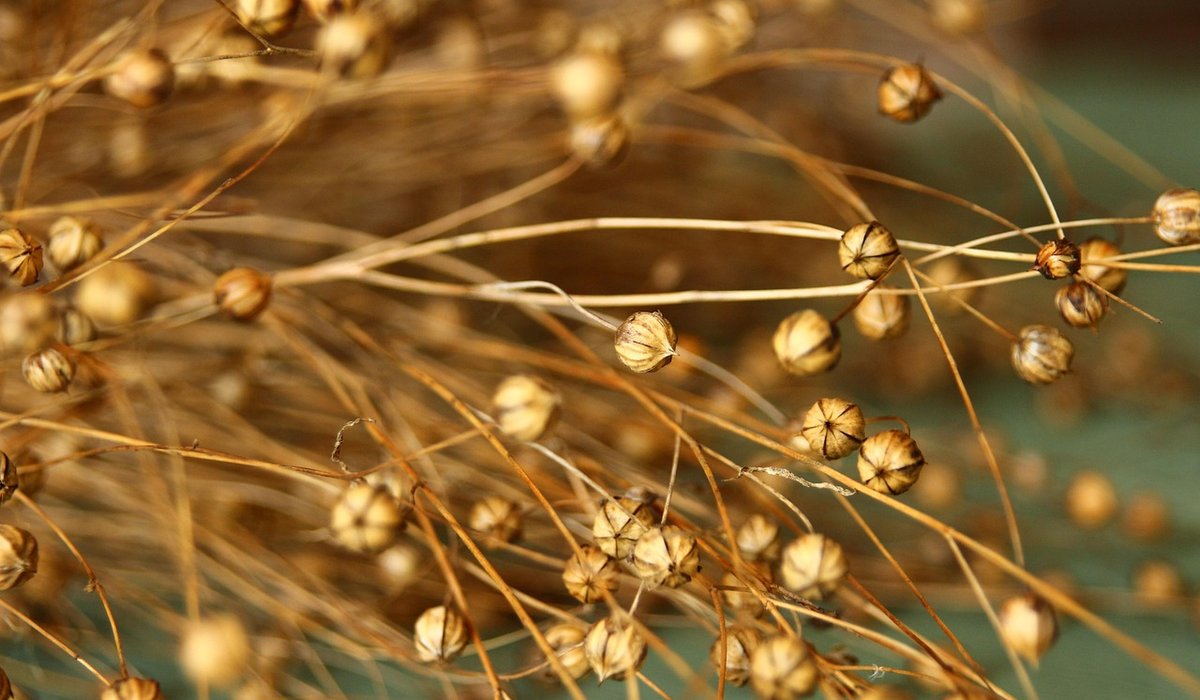
Layering Natural Textures in a Bedroom
Why Texture Does the Work in a Bedroom
A bedroom is the one room in the house you experience mostly by touch. You rarely see it in bright daylight; you see it in the low, slanted light of early morning and late evening, when colour softens and pattern blurs. What stays legible is texture — the difference between a cool, smooth sheet and a nubbly wool throw, the grain of an oak bedside table under your fingertips, the slight give of a woven rug beneath a bare foot.
That is why layering natural fibres works so well here. Linen, wool, jute and wood all carry a quiet variation in surface that reads beautifully in dim light, and they warm a room visually without needing heavy colour. If your bedroom feels flat or slightly clinical, the fix is usually not a new colour scheme. It is more texture, in the right places.
Here is how to build those layers practically, from the bed outwards.
Start with Linen as Your Foundation
Linen is the natural first layer because it sits directly against skin and sets the tone for everything above it. Look for stonewashed or garment-washed linen in a mid-weight — roughly 165 to 190 gsm — which feels substantial without being stiff. A lighter weight is lovely for summer but can look thin and papery once a wool throw goes on top.
Stick to two or three muted tones rather than a full palette: oatmeal, clay, sage, warm grey, undyed natural. Choose a duvet cover in one and pillowcases in another, keeping the contrast gentle. If you already own crisp cotton bedding, you can layer linen over it rather than replacing everything — a linen flat sheet and pillowcases will change the whole bed for a fraction of the cost.
The characteristic crumple of linen is a feature, not a fault. Resist the urge to press it flat; a little looseness is what makes the bed look welcoming rather than staged.
Add Wool Throws with Deliberate Weight
Wool is the layer that gives a bed its depth. One well-chosen throw will do more than three thin ones, so think about weight and size before colour. A throw should span at least 130 x 170 cm for a single or double bed — anything smaller reads as a scarf and slides off in the night.
- Lambswool — soft, springy and relatively affordable; excellent for a textured waffle or herringbone weave.
- Merino — finer and less prickly, ideal if you want the throw to double as an extra blanket on cold nights.
- British breed wools — hardy, slightly rustic and beautifully hardwearing, often in natural undyed fleece shades.
- Recycled wool — a sound choice if you want the warmth without new fleece, usually in melange colours that blend with everything.
Fold the throw in thirds lengthways and lay it across the lower third of the bed, or drape it diagonally for a more relaxed look. In summer, keep a lighter cotton or linen throw on the bed and store the wool one in a breathable cotton bag with a few cedar blocks.
Anchor the Room with Wooden Surfaces
Wood is the third texture, and it works as the grounding note. If your bed frame, bedside tables and floor are all painted or laminate, the eye has nothing warm to rest on. You do not need to replace furniture — one or two honest wooden surfaces will shift the balance.
An oiled oak or ash bedside table, a simple wooden stool used as a nightstand, a shallow wooden tray to corral books and a glass of water, or a wooden bed frame in a warm mid-tone all do the job. Oiled finishes tend to feel softer and more tactile than high-gloss lacquer, and they age gracefully with a rub of beeswax once or twice a year.
Keep your wood tones related rather than identical. Pale ash beside warm oak looks collected; three competing orange-toned varnishes look accidental. If you are buying one piece, take a cushion cover or a linen swatch to the shop with you and hold it against the timber in daylight.
Bring in Smaller Tactile Details
The finishing layers are where the room starts to feel genuinely calm. These are low-cost, high-impact additions:
- A jute or undyed wool rug beside the bed, so the first thing your feet meet is warm and slightly rough.
- One or two woven baskets — seagrass, willow or cotton rope — for laundry, spare blankets or books.
- Cushions in mixed weaves rather than mixed prints: a slubby linen, a smooth cotton, a small boucle or needlecord square.
- A linen or wool cushion on a wooden chair, which softens the corner without cluttering it.
A useful rule is to repeat each texture at least twice and each colour at least three times around the room. That repetition is what makes an assortment of natural materials feel intentional rather than scattered.
Caring for Natural Fibres So They Last
Natural materials reward a little attention. Linen washes well at 30 to 40 degrees on a gentle cycle, but skip fabric softener — it coats the fibre and reduces its breathability. Line dry where you can, and tumble on low only if you want a softer, more rumpled finish.
Wool prefers less washing and more airing. Hang a throw over a chair by an open window for a few hours rather than laundering it after every use, and hand wash in cool water with a gentle wool detergent when it genuinely needs it. Dry flat, never on a radiator, and store folded with cedar or lavender to keep moths at bay.
Wood likes an occasional wipe with a barely damp cloth and a thin coat of oil or wax. Avoid leaving wet glasses or damp towels on bare timber.
Build the layers gradually, one texture at a time, and let the room tell you what it is missing. A bedroom made of things that feel good to touch tends to look good too — especially in the half-light, which is when you will actually see it.
tag: Home Textiles

Harriet Penrose Author
Turn worn sheets and towels into cleaning cloths, patchwork panels, or garden ties instead of sending them to landfill.
YOU MAY ALSO LIKE
Repairing and Reusing Old Household Linen
Jun 29
10Learn how different weave structures change the look, drape, and durability of linen fabric before you buy or sew.
read more
Understanding Linen Weaves: Plain, Twill and Herringbone
Jun 25
10Learn a gentle hand-wash method for stiff new linen, using mild soap and cool water to keep fibres strong and colours fresh.
read moreLinen Care
-

ERRIC CATONA
Discover how to sow flax seeds in pots, care for delicate seedlings, and harvest stems for small-scale fibre projects at home.
May 19, 2016 at 5.12 pm
Reply
ERRIC CATONA
Use kitchen waste to create rich amber and copper shades on linen, with simple mordanting steps for lasting colour.
May 19, 2016 at 5.12 pm
Reply -
ERRIC CATONA
Sew a sturdy everyday bag from medium-weight linen, with straight seams, French seams, and handy interior pocket instructions.
May 19, 2016 at 5.12 pm
Reply
Natural Dyeing
Your email address will not be published.