
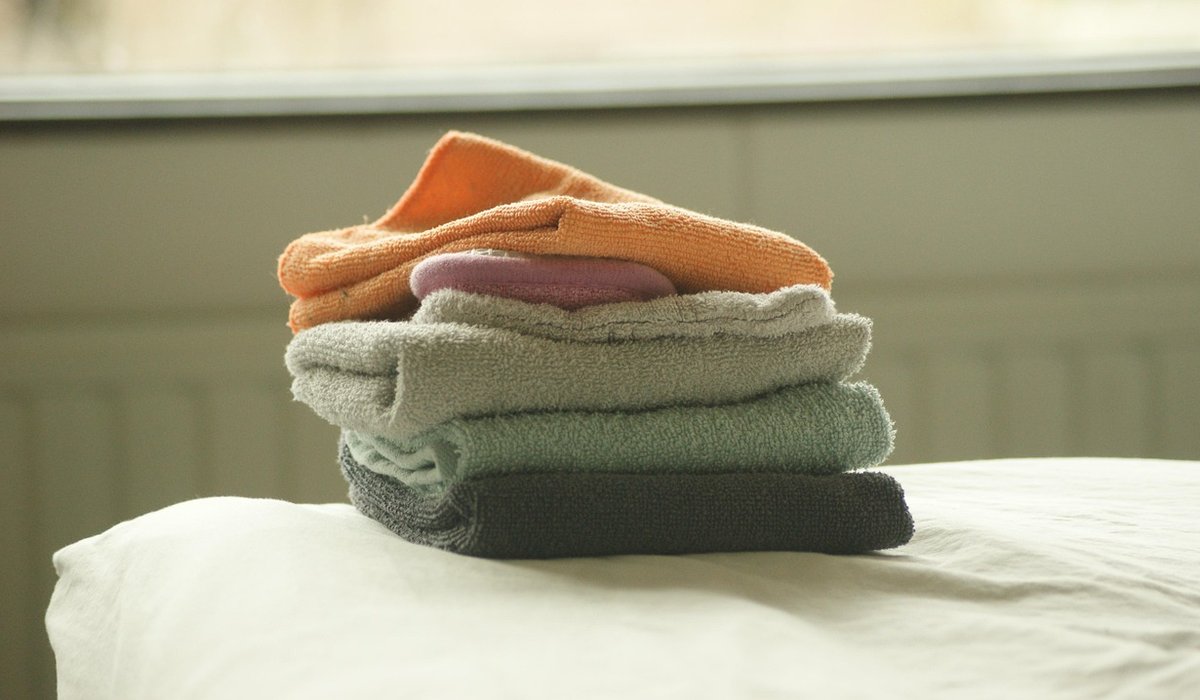
Reducing Waste in a Small Sewing Room
If you sew in a small room, you know the quiet creep of waste. A pile of offcuts here, a tangle of thread there, three broken needles in a saucer. It is not just clutter—it is material that took water, energy, and dye to make. The good news is that a few practical habits can shrink your bin bag without shrinking your creativity.
Start with a Scrap Audit
Before buying another storage box, empty every scrap container onto your table. Sort into three piles: pieces bigger than your hand, pieces between a postcard and your hand, and tiny fragments. Be honest about what you will actually use. Many sewists keep fabric they dislike for years. Pass on the first pile to a local school or textile recycling scheme. Keep the second. Compost or stuff the third.
- Anything smaller than a 5 cm square is not a garment scrap; it is stuffing, patchwork, or bin.
- If you have not used a piece in two years, it is not a scrap; it is a decision.
- Store by fibre type—cotton with cotton, wool with wool—so future projects can be laundered together.
Store Scraps by Size, Not Sentiment
Small rooms need vertical thinking. Clear jars, shoe organisers, or a hanging shoe rack can hold sorted scraps. Label by size, not by “maybe one day”. This makes it easy to reach for the right piece instead of cutting into a new metre of cloth.
- Use a clear over-door shoe organiser for 10 cm squares, 15 cm squares, and strips.
- Keep a “crumb” jar for anything under 5 cm—use it for pin cushions, doll stuffing, or paper-making.
- Roll selvedges tightly and tie with a thread end; they become ties for tomatoes or gift wrap.
- Fold larger pieces around a comic board or cut cereal box so they stand upright like files.
Save Every Thread End (Yes, Really)
Thread ends seem worthless, but they add up. A single seam can produce 20 cm of waste. Over a year, that is metres of cotton or polyester. Instead of dropping them in the bin, keep a small lidded pot on your machine. Empty it weekly.
- Compost only natural fibres—cotton, linen, silk, wool. Synthetic thread goes in the bin, so reduce it by buying larger spools.
- Use long thread ends to tie quilt bundles, secure buttons while sewing, or mark hems.
- Stuff a small cushion or draft excluder with synthetic thread ends and fabric crumbs.
- Never put thread nests outside for birds; they can tangle feet and beaks.
Choose Tools That Outlive You
The most sustainable tool is the one you already own, used until it fails. When you do buy, avoid disposable plastic gadgets. Look for metal, wood, and glass where possible, and learn to maintain them.
- Metal bobbins fit your machine and last decades; plastic ones crack and get binned.
- Buy steel pins with glass or metal heads. Plastic heads snap and shed microplastics.
- A wooden darning mushroom, a metal seam ripper, and carbon steel scissors can be sharpened for years.
- Choose solid brass or stainless steel thimbles over plastic ones.
- For marking, use tailor’s chalk or a sliver of soap instead of heat-erase pens that dry out.
- Oil your machine, sharpen scissors, and replace only the worn part—not the whole tool.
Rethink Patterns, Packaging, and Notions
Waste enters before you cut. Print patterns only if you must, or trace onto reused paper. Choose PDF patterns that you can tile on the back of old wrapping paper. Refuse plastic bags at fabric shops and bring a cotton tote instead.
- Buy thread on large cones or cardboard spools, not tiny plastic bobbins.
- Use fabric scraps to make your own bias tape, covered buttons, or patches.
- Mend before you replace: a worn collar can become a cuff, a torn sheet can become a toile.
- Keep a “donate” box for tools and fabric you no longer love; pass it on promptly.
A Five-Minute Tidy That Sticks
End each sewing session with a five-minute reset. Sweep thread ends into your pot. Fold scraps into their size boxes. Put tools back on a magnetic strip or in a tin. Wipe your machine bed. This tiny ritual stops waste from becoming a mountain.
Over a month, you will notice fewer bin bags and more usable material. Your small sewing room becomes a place of quiet resourcefulness—not because you are perfect, but because you have chosen a few good habits that last.
tag: Sustainable Living

Eleanor Whitaker Author
Keep linen fresh by folding loosely, using breathable cotton bags, and storing away from direct sunlight and damp walls.
YOU MAY ALSO LIKE
How to Store Linen to Prevent Creases and Damp
Aug 22
10Create warm red tones on cellulose fibres using madder root, chalk, and a gentle heat source for consistent results.
read more
Dyeing Linen with Madder Root for Deep Reds
Aug 17
10Plan a dual-purpose flax patch, sow at the right density, and manage weeds carefully without harming slender stems.
read moreLinen Care
-

ERRIC CATONA
Make a tailored cushion cover entirely by hand, adding piping and a concealed opening for a neat finish.
May 19, 2016 at 5.12 pm
Reply
ERRIC CATONA
Learn traditional tools and safe methods for breaking woody flax stems, then scutching away shives to reveal long fibre.
May 19, 2016 at 5.12 pm
Reply -
ERRIC CATONA
Compare linen, jute, and wool rugs for durability, warmth, and care needs in British living rooms and hallways.
May 19, 2016 at 5.12 pm
Reply
Natural Dyeing
Your email address will not be published.