
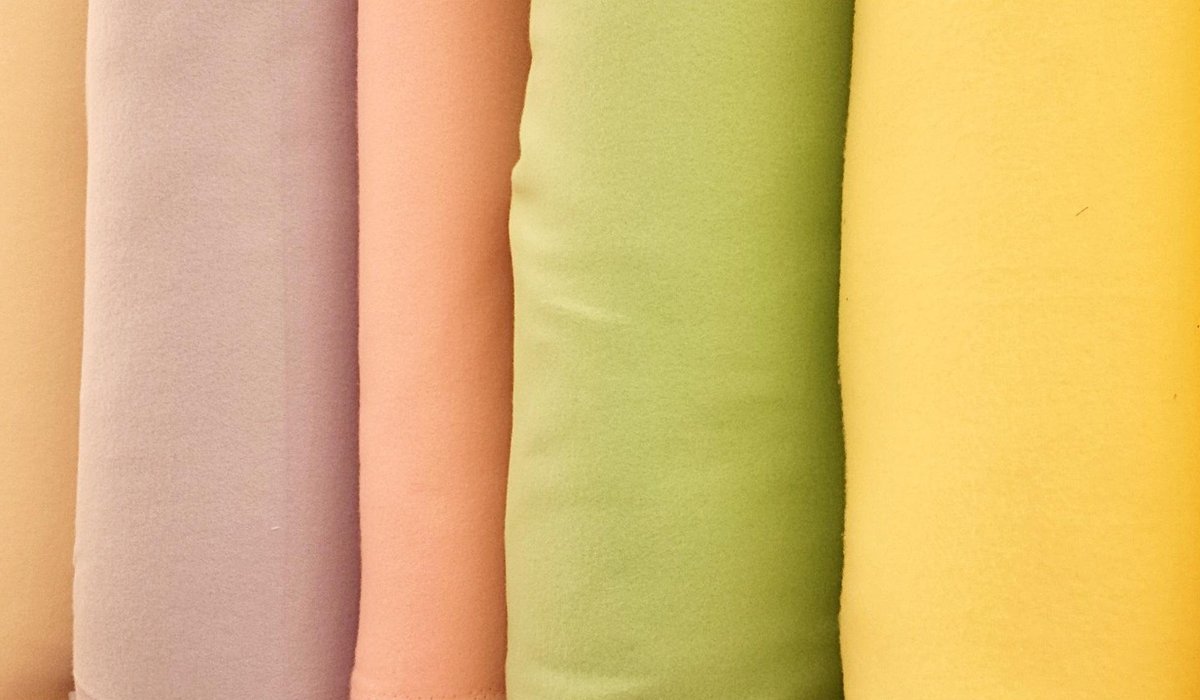
Making a Woven Linen Table Runner
A cloth that earns its keep
Linen has been woven in these islands for longer than almost any other cloth, and for good reason: it is strong, cool, absorbent and quietly beautiful. A table runner is the ideal first linen project on a rigid heddle loom. It is narrow, so it weaves quickly; it is flat, so mistakes in your beat are easy to spot and correct; and it is genuinely useful, which matters when you are learning. Plain weave is all you need. The interest comes from the stripe sequence in the warp and the particular crispness that linen brings to the loom.
This project makes a runner roughly 32 cm wide and 120 cm long, excluding hems, with a simple symmetrical stripe plan. Allow an afternoon for warping and a comfortable evening or two for the weaving.
Choosing yarn and planning the stripes
Use the same yarn for warp and weft, so the cloth behaves evenly. A wet-spun linen around 16/2 is a lovely choice: fine enough for a table runner, strong enough to withstand loom tension, and widely available in natural, oatmeal and dyed shades. Pair it with a 10-dent heddle, which gives you about ten ends per inch. Linen has almost no crimp, so it needs a slightly closer sett than wool of the same thickness to produce a solid cloth rather than a stringy one.
Choose three colours: a natural or bleached linen as your main tone, a soft oatmeal or grey for contrast, and one accent — indigo, madder red or a deep sage all work well against pale linen. Keep the stripes symmetrical so the runner reads as a considered piece rather than a chance arrangement. A workable plan in the reed:
- 30 ends natural
- 6 ends oatmeal
- 4 ends accent
- 6 ends oatmeal
- 30 ends natural
Repeat or mirror this sequence to fill your width. For length, add your loom waste — a rigid heddle loom typically eats 50–60 cm — plus roughly 10 per cent for shrinkage, plus 10 cm for hems. For a 120 cm finished runner, warp about 2.4 metres.
Dressing the loom
Linen has very little stretch, so the watchword is evenness. Wind your warp with firm, consistent tension and pack the layers with paper or warp sticks so the threads do not sink into one another. Thread the heddle carefully, taking the time to check for crossed or doubled ends before you tie on.
Tie the warp to the front apron rod in small groups, then adjust until every group sings at the same pitch when you pluck it. Linen wants a firm but not drum-tight tension: enough for a clean shed, not so much that the threads flatten and snap. If you hear a sharp crack at the back of the loom, something is over-tensioned. Ease off, and keep an eye on the outer threads, which take the most strain.
Weaving the body
Begin with a hem: weave 2–3 cm in a slightly finer cotton, or in the same linen at a denser beat, so the turned edge stays flat and does not bulk up. Then settle into plain weave. Heddle up, beat, change shed, pass the shuttle, beat again. Beat on a closed shed and beat consistently — with linen, an uneven beat is far more visible than in a woollier cloth.
Aim for roughly ten picks per inch to match the sett and give a balanced cloth. Handle the weft gently: lay it in at a shallow angle across the warp rather than pulling it straight, and let the selvedges sit in without drawing in. Linen weft has a mind of its own and will kink if you fight it, so keep your shuttle passes calm and unhurried. Never leave the shuttle resting in an open shed, and check the selvedges every few centimetres. Weave until you reach your planned length, then finish with a hem to match the beginning.
Wet finishing, hemming and care
Cut the runner from the loom and secure the raw ends with a zigzag stitch or a line of machine stitching. Then wash it: lukewarm water, a little gentle soap, a short soak, and gentle squeezing. Do not rub or wring. Rinse thoroughly, roll the cloth in a towel to remove excess water, and press it while still damp with a hot iron and plenty of steam, stretching it gently back to shape as you go.
This is the moment linen comes alive. The fibres swell, the cloth fills in, the weave tightens and the surface softens from crisp to something like paper that has been handled. Turn a double hem at each end, about 1 cm deep, and slip-stitch it by hand with a fine needle and matching thread.
After that, the runner asks very little of you. Machine wash it cool on a gentle cycle, dry it on the line or on low heat, and iron it damp. It will soften with every wash and last for decades. Avoid bleach and harsh detergents, which weaken the fibre. Set the table, and enjoy watching the cloth improve with use.
tag: Home Textiles

Eleanor Whitaker Author
Repair worn linen shirts and trousers with decorative sashiko stitching, turning small tears into durable and attractive features.
YOU MAY ALSO LIKE
Mending Linen Clothes with Visible Sashiko Stitches
Aug 28
10Organise fabric scraps, save thread ends, and choose tools that last to make your craft space more eco-friendly.
read more
Reducing Waste in a Small Sewing Room
Aug 25
10Keep linen fresh by folding loosely, using breathable cotton bags, and storing away from direct sunlight and damp walls.
read moreLinen Care
-

ERRIC CATONA
Create warm red tones on cellulose fibres using madder root, chalk, and a gentle heat source for consistent results.
May 19, 2016 at 5.12 pm
Reply
ERRIC CATONA
Plan a dual-purpose flax patch, sow at the right density, and manage weeds carefully without harming slender stems.
May 19, 2016 at 5.12 pm
Reply -
ERRIC CATONA
Make a tailored cushion cover entirely by hand, adding piping and a concealed opening for a neat finish.
May 19, 2016 at 5.12 pm
Reply
Natural Dyeing
Your email address will not be published.