
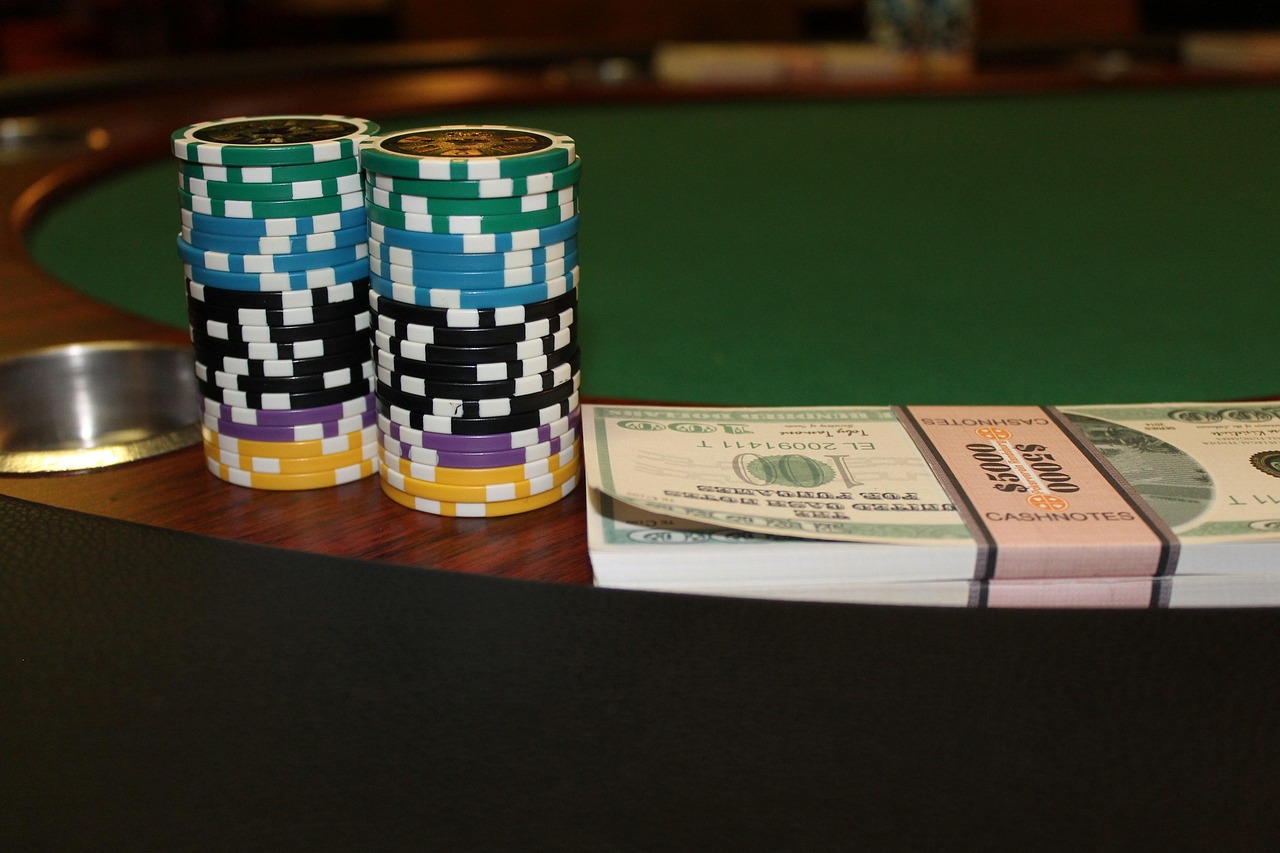
Slots, Poker, and the Real Math Behind iGaming Wins
Every gambler remembers their first big win. Mine came on a Tuesday afternoon in a dimly lit poker room in Newcastle, holding pocket nines against a guy who couldn't stop talking about his "system." I won £340 that day, and more importantly, I learned something that took another decade to fully understand: the math behind the games doesn't care about your system, your gut, or your lucky socks. It only cares about the numbers.
If you're going to spend real money in iGaming—whether that's spinning slots, sitting at a cash table, or backing a horse at Ascot—you owe it to yourself to understand what's actually happening under the hood. Not because it'll make you rich (it probably won't), but because it'll stop you from making the dumb mistakes that separate recreational players from people who lose their rent money by Thursday.
Why Slots Are Rigged (But Not in the Way You Think)
I hear the phrase "slots are rigged" constantly, usually from someone who just dropped £200 on a bonus round that paid back £12. Here's the thing: slots are designed to make the house money over time. That's the entire business model. But "rigged" implies cheating, and that's not what's happening.
Modern slot machines use a Random Number Generator, or RNG, which cycles through thousands of possible outcomes every single second. When you hit spin, the machine grabs whatever number the RNG is currently sitting on and maps it to a result. There's no memory of your last spin. There's no "due" payout. A machine that hasn't paid out in three hours is no more likely to hit than one that just gave someone £5,000.
What matters is the Return to Player percentage, or RTP. On most regulated online slots, this sits somewhere between 94% and 97%. That means for every £100 wagered across millions of spins, players get back £94 to £97. The remaining slice is the house edge. Compare that to a land-based casino slot, which often runs at 85% to 92%—online operators can afford better RTPs because their overheads are lower.
- High RTP doesn't mean you'll win. A 96% RTP game can still go cold for 500 spins.
- Volatility matters more than RTP for your session. Low-volatility slots pay small amounts frequently; high-volatility slots pay big but rarely.
- Check the paytable first. Reputable operators publish RTP per game, often tucked into a help menu.
Poker Is the Only Game Where You Play the Players
Slot players compete against a machine. Sports bettors compete against a bookmaker's line. Poker is different—you compete against other humans, and the house just takes a small cut, called the rake.
This distinction is everything. If you're a skilled poker player, you can have a genuinely positive expected value over time, especially against weaker opponents. If you're a mediocre slot player, you can't. There's no skill edge in spinning a reel; the math is fixed.
At a typical online cash game, the rake might be 5% of the pot up to a cap of £3. At a live casino like the Hippodrome in London, it's usually a flat 5% or a time charge. That rake is the price of doing business, and it's why you need to be genuinely better than the field to profit reliably.
Quick reality check: in a 6-max cash game, if you're break-even on skill but paying 5% rake, you're actually losing money. You need a meaningful win rate just to stay afloat. This is why so many recreational players slowly bleed out without understanding why—the rake quietly eats them alive. Those comparing choices often turn to สล็อตเว็บตรง.
Sports Betting: Margins, Value, and the Illusion of Certainty
Bookmakers don't gamble. They build in a margin—called the overround or vig—and let the money roll in from both sides. A coin-flip market priced at 1.90 for heads and 1.90 for tails gives you implied probabilities of roughly 52.6% each, adding up to 105.2%. That extra 5.2% is the bookmaker's profit margin, baked into every market.
Where does value come from? Occasionally, a bookmaker misprices an event. Maybe they've overreacted to a injury rumour, or their model undervalues a team's home form. Sharp bettors hunt these discrepancies and stake accordingly. The rest of us mostly bet with our hearts and wonder why our account balance trends downward.
If you're serious about betting, my advice is boring but effective:
- Track every bet in a spreadsheet. Stake, odds, result, and your reasoning. Do this for three months before drawing conclusions.
- Compare odds across at least three bookmakers. A 2.0 vs 2.1 on a £50 bet is a £5 difference—and that compounds fast.
- Accept variance. A good bet can lose. A bad bet can win. Judge your decisions, not individual outcomes.
- Set a hard loss limit before you start. Not a soft "I'll be careful" intention—an actual number.
The Psychology Trap Everyone Falls Into
Casinos and betting apps are engineered. Loyalty bonuses, near-miss animations on slots, the satisfying clink of a virtual coin payout—these aren't accidents. They're designed by people who understand behavioural psychology better than most of us understand our own habits.
Sunk cost fallacy is a big one. You've lost £150 chasing a bonus round, so you keep going because stopping means admitting the loss. But the £150 is already gone. The only decision that matters is the next one, and it should be made on its own merits.
The other trap is confusing entertainment with investment. Buying a lottery ticket for fun is fine. Convincing yourself you're "due" a win because you've been unlucky is not. Understanding probability is uncomfortable precisely because it refuses to reward your patience the way life sometimes does.
Bankroll Management: The Boring Skill That Actually Works
I've watched talented poker players go broke not because they played badly, but because they played above their bankroll. A simple rule: never buy into a cash game for more than 5% of your total poker bankroll, or enter a tournament for more than 2%. If you have £500 set aside for poker, that's a £25 buy-in, not a £100 one.
For slot players, the math is different because there's no skill edge. Set a session budget, divide it into smaller chunks (say, four equal parts), and stop when it's gone. Don't reload mid-session. Don't chase the bonus you've almost triggered. Walk away, come back tomorrow, and treat the money as spent the moment it hits the machine.
For sports bettors, flat staking—betting the same amount on every value bet—is safer than percentage staking when you're learning, because it prevents arrogance from inflating your stakes after a hot streak.
Final Thoughts From Someone Who's Lost More Than He's Won
Here's the honest truth I wish someone had told me fifteen years ago: the house always wins over time, and the only way to genuinely enjoy iGaming is to accept that upfront. Treat slots as entertainment, poker as a skill game worth studying, and sports betting as a discipline that punishes laziness. Play within limits that would still let you sleep if you lost every penny. And never, ever bet money you can't afford to wave goodbye to with a shrug.
The games are fun. The math is unforgiving. Knowing both makes you a smarter player—and frankly, a happier one.
tag: iGaming

Eleanor Whitaker Author
Discover how to sow flax seeds in pots, care for delicate seedlings, and harvest stems for small-scale fibre projects at home.
YOU MAY ALSO LIKE
A Beginner's Guide to Growing Flax in Containers
Sep 19
10Use kitchen waste to create rich amber and copper shades on linen, with simple mordanting steps for lasting colour.
read more
Natural Dyeing with Onion Skins for Warm Tones
Sep 13
10Sew a sturdy everyday bag from medium-weight linen, with straight seams, French seams, and handy interior pocket instructions.
read moreLinen Care
-

ERRIC CATONA
Understand water and dew retting methods, judge when stems are ready, and dry bundles before breaking and scutching.
May 19, 2016 at 5.12 pm
Reply
ERRIC CATONA
Weave a simple striped runner on a rigid heddle loom, using linen yarn and a straightforward plain weave structure.
May 19, 2016 at 5.12 pm
Reply -
ERRIC CATONA
Repair worn linen shirts and trousers with decorative sashiko stitching, turning small tears into durable and attractive features.
May 19, 2016 at 5.12 pm
Reply
Natural Dyeing
Your email address will not be published.